Lighting
How to Take Photos Indoors Without Looking Dark and Gloomy
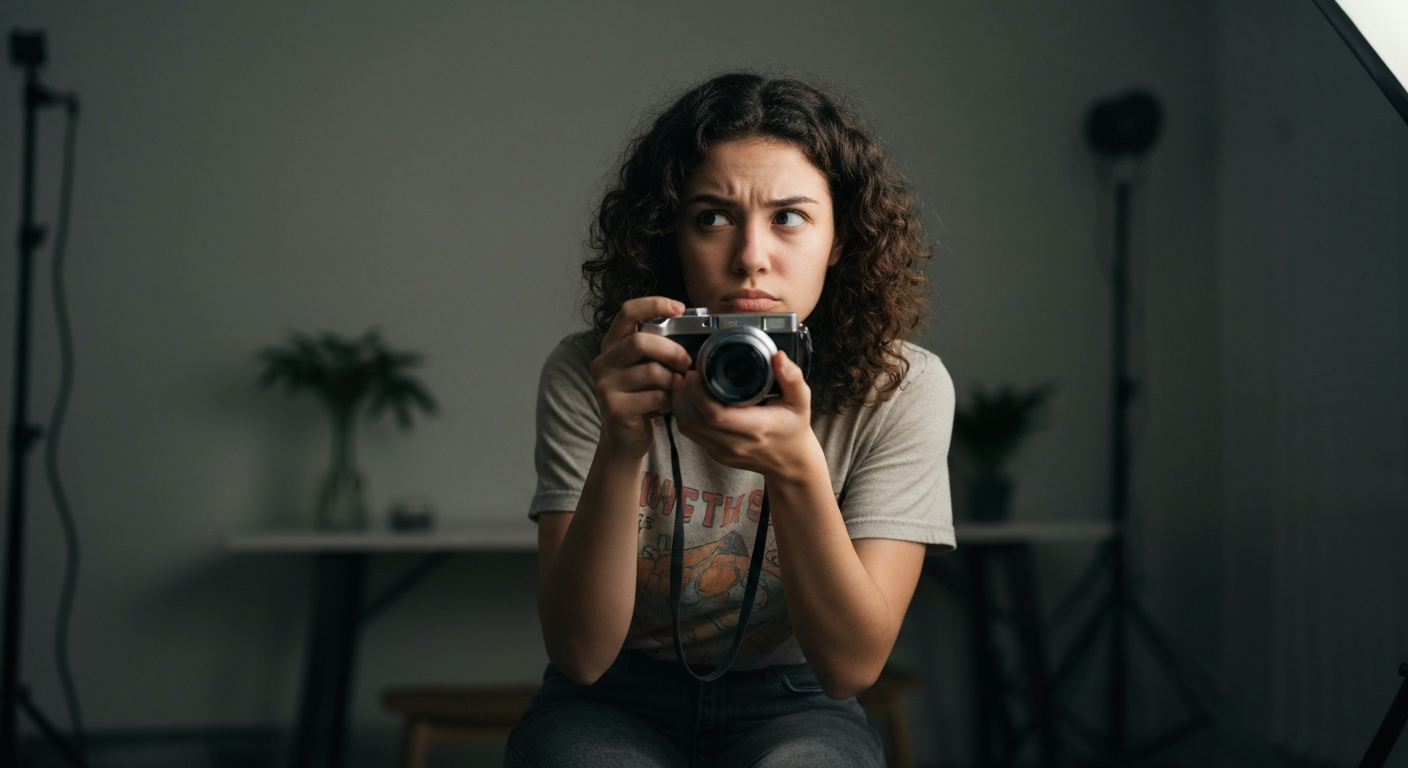
You take a photo outside, and it looks amazing. You step indoors, take the exact same photo, and it looks dark, muddy, and depressing. What happened? Indoor environments have significantly less light than the outdoors, even if it looks bright to our human eyes.
Mastering indoor light is a critical skill taught in any comprehensive photography for beginners online program.
The Auto Mode Trap
When you shoot indoors on auto mode, the camera panics. It usually pops up the harsh on-camera flash (which makes everything look like a deer in headlights) or it drops the shutter speed so low that everything becomes a blurry mess. To get beautiful indoor photos, you have to take control of your beginner camera settings.
Finding the Light
The first step is always positioning. Moving your subject closer to a window can dramatically improve your exposure without changing a single setting. But when there isn't enough window light, you need to know how to adjust your ISO and Aperture to compensate.
Are you tired of dark, grainy indoor photos ruining your family memories?