Troubleshooting
How to Fix Grainy Photos: Understanding ISO and Noise
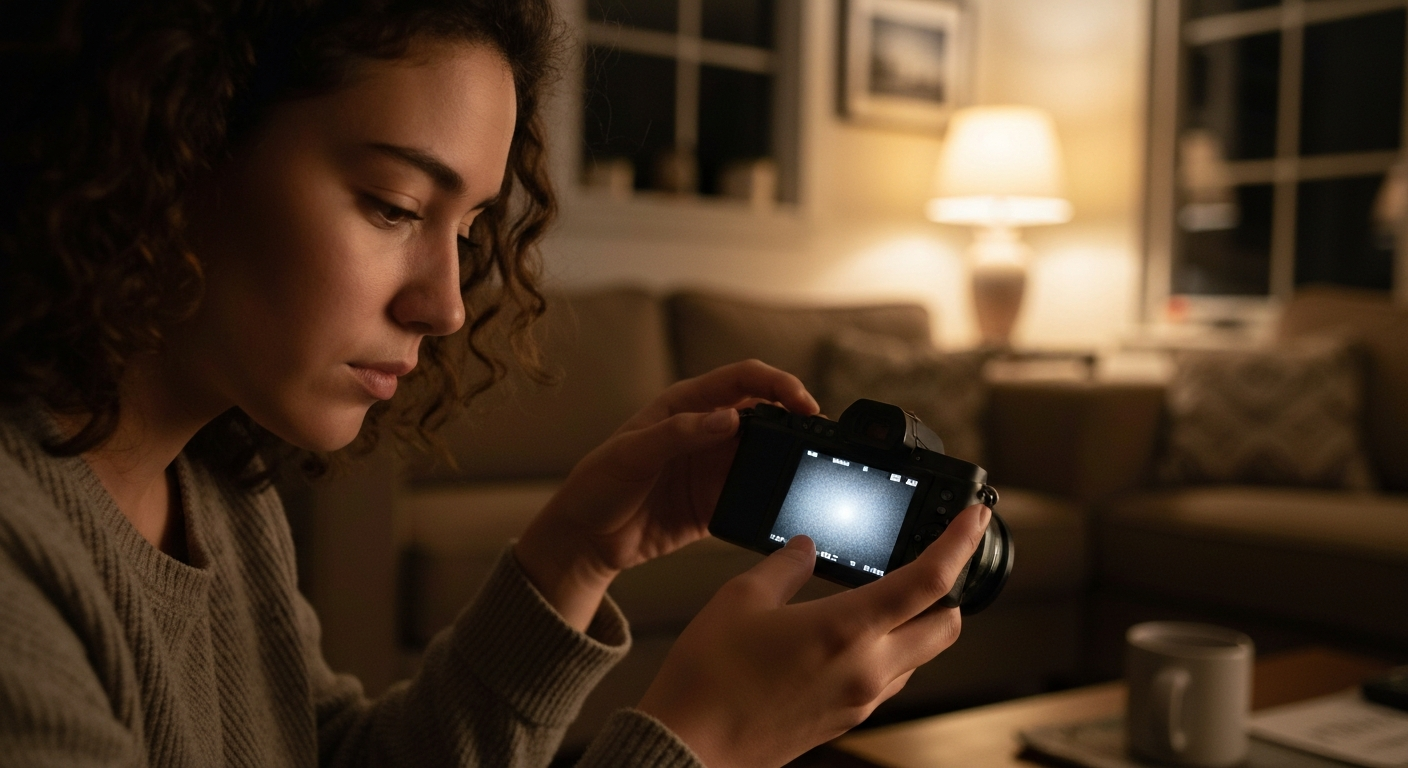
Have you ever taken a photo at night or in a dimly lit room, only to find it covered in tiny, colorful speckles that make it look like static on an old TV? In photography, we call this "noise," and it is the direct result of pushing your camera's ISO too high.
Understanding how ISO affects image quality is a fundamental part of any DSLR photography 101 curriculum.
The Trade-off of ISO
ISO acts like a volume knob for your camera's sensor. When you turn it up, the sensor becomes more sensitive to light, allowing you to shoot in the dark. However, just like turning up a cheap stereo introduces static, turning up your ISO introduces digital noise.
Knowing when to raise your ISO and when to use other methods (like a wider aperture or a slower shutter speed) is the key to clean images.
Balancing the Exposure Triangle
To fix grainy photos, you have to understand how ISO interacts with Aperture and Shutter Speed. If you can let more physical light into the camera, you won't need to rely on artificial ISO sensitivity.
Want to know the exact limits of your camera and how to shoot clean images in low light?