Fundamentals
Mastering the Exposure Triangle Tutorial: Your DSLR Photography 101
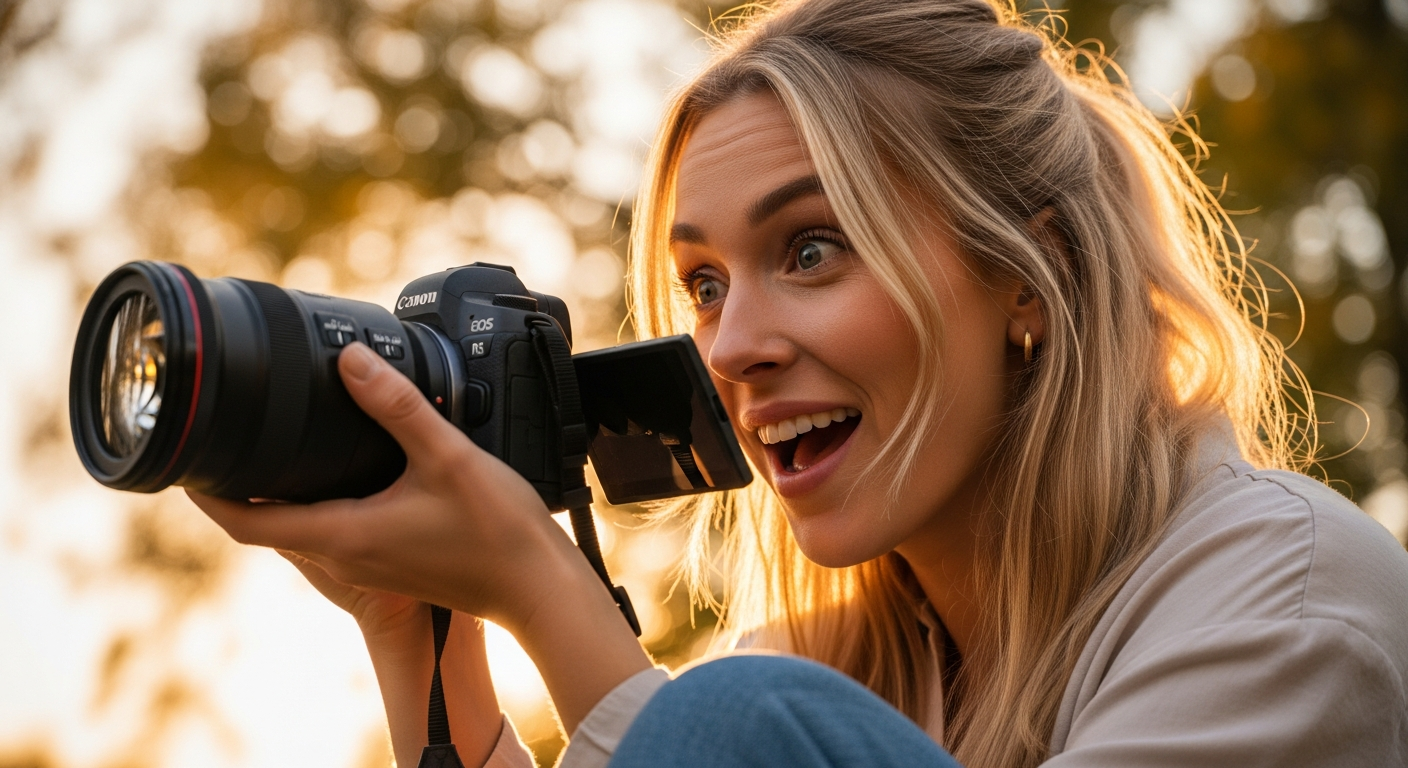
The exposure triangle is the absolute foundation of all photography. If you are taking an online photography class 101, this is the very first concept you must master. It consists of three elements: ISO, Aperture, and Shutter Speed.
Understanding how these three settings balance each other is the key to mastering any DSLR photography 101 or mirrorless camera system. When you change one setting, you must adjust at least one of the others to maintain the same exposure.
Aperture: Controlling Depth and Light
Aperture is the opening in your lens. A wide aperture (like f/1.8) lets in a lot of light and creates a shallow depth of field, giving you that beautiful, blurry background. A narrow aperture (like f/11) lets in less light but keeps everything in focus from front to back.
Shutter Speed: Capturing Time
Shutter speed dictates how long your camera's sensor is exposed to light. Fast shutter speeds (1/1000s) freeze motion, perfect for sports or wildlife. Slow shutter speeds (1/10s or slower) blur motion, creating silky waterfalls or capturing light trails at night.
ISO: Sensor Sensitivity
ISO determines how sensitive your camera's sensor is to light. A low ISO (100) is ideal for bright, sunny days and produces the cleanest image. A high ISO (3200 or above) allows you to shoot in the dark but introduces digital noise or grain.
In my highly-rated online photography course for beginners, I provide an interactive exposure triangle tutorial that makes balancing these three settings completely instinctive.